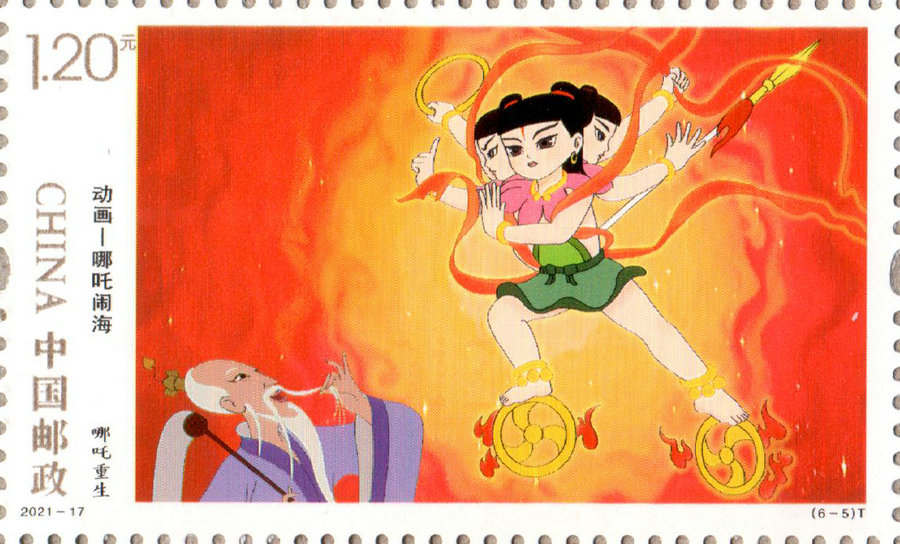
Ne Zha
Introduction
Ne Zha is a renowned figure in Chinese mythology and folklore, often depicted as a brave and rebellious youth with exceptional abilities. Known for his distinctive appearance, which includes fiery wheels upon which he travels, Ne Zha has been a subject of numerous adaptations and interpretations over the years. The character's story has been brought to life in various forms, from classic literature to contemporary films, reflecting his enduring cultural significance. Ne Zha's tale typically involves themes of defiance against fate, as he struggles against the constraints imposed upon him by his lineage and societal expectations. This mythological hero's narrative has been celebrated in Chinese culture and beyond, making Ne Zha a symbol of courage and resistance.
Mythology and Folklore
The origins of Ne Zha can be traced back to ancient Chinese mythology, where he is portrayed as a divine child with extraordinary powers. According to legend, Ne Zha was born after a prolonged gestation period, during which his mother, Lady Yin, endured significant hardship. This unusual birth story is emblematic of Ne Zha's unique nature and foreshadows his tumultuous life journey. He is often associated with the lotus, symbolizing purity and rebirth, and is considered an incarnation of this sacred flower. Throughout mythological tales, Ne Zha is depicted as a young hero who wields powerful weapons and possesses the ability to thwart evil forces. His most famous exploits include battling the Dragon King of the East Sea and challenging his father, Li Jing, a heavenly king known for his stern demeanor. These stories have been passed down through generations, solidifying Ne Zha's place in Chinese folklore as a symbol of defiance and heroism.
Cultural Significance
Ne Zha holds a significant place in Chinese cultural heritage, embodying values such as courage, rebellion, and the struggle for justice. His story resonates with audiences due to its themes of challenging authority and overcoming adversity. Ne Zha's narrative is often interpreted as a metaphor for the human condition, representing individuals' efforts to break free from societal constraints and shape their destinies. The character's enduring popularity can be attributed to his ability to inspire people to confront prejudice and fight for their beliefs. Ne Zha's tale also highlights the importance of family and the parental bonds that influence one's path in life. His relationship with his parents, particularly his father's stern yet caring demeanor, adds depth to his story and emphasizes the complexities of familial ties. As a cultural icon, Ne Zha continues to inspire new generations, reflecting the timeless nature of his story and the values it promotes.
Adaptations and Interpretations
Ne Zha's story has been adapted across various media, each interpretation offering a unique perspective on the legendary hero. These adaptations demonstrate the character's versatility and the universal appeal of his narrative.
Literature
In literature, Ne Zha's tale is often featured as part of classic Chinese works, such as "Journey to the West" and "Investiture of the Gods." These texts depict Ne Zha as a formidable warrior who defies celestial authorities and battles mythical creatures. In these stories, Ne Zha's character is explored in depth, highlighting his rebellious nature and complex relationship with his family. The literary portrayal of Ne Zha emphasizes the moral lessons inherent in his story, such as the importance of courage, loyalty, and the pursuit of justice. These narratives have been instrumental in solidifying Ne Zha's place in Chinese literary tradition.
Film and Television
Ne Zha's adventures have been brought to life on screen through various film and television adaptations. The character first gained widespread recognition in the 1979 animated film "Prince Ne Zha's Triumph Against the Dragon King," produced by the Shanghai Animation Film Studio. This film introduced audiences to Ne Zha's story, showcasing his battles against the Dragon King and his journey of self-discovery. In recent years, Ne Zha has been reimagined in the 2019 animated film "Ne Zha," which became a box office sensation and the highest-grossing Chinese animation in history. This contemporary retelling of Ne Zha's story presents him as a rebellious youth challenging societal biases and striving to define his own destiny. The film's success highlights Ne Zha's continued relevance and the universal themes that resonate with audiences globally.
Animation
Animation has played a crucial role in bringing Ne Zha's story to a wider audience, with various animated adaptations exploring different aspects of his character. In the 2019 animated film, Ne Zha's design underwent significant changes, resulting in a distinct, modernized appearance that captivated viewers. The film's creative adaptation of Ne Zha's character emphasized contemporary values, such as the fight against prejudice and the importance of parental support. The innovative animation techniques and engaging storytelling contributed to the film's popularity, showcasing Ne Zha's enduring appeal in modern media. These animated interpretations not only capture the essence of Ne Zha's story but also introduce him to new generations, ensuring the continued relevance of this mythological hero.
Global Impact
Ne Zha's story, while rooted in Chinese mythology, has transcended cultural boundaries and gained recognition worldwide. The universal themes of his narrative, such as the struggle against destiny and the pursuit of justice, resonate with audiences across different cultures. Ne Zha's tale has been introduced to global audiences through various adaptations, particularly in film and animation, which have highlighted the character's dynamic nature and the moral lessons embedded in his story. The 2019 animated film, in particular, has played a significant role in popularizing Ne Zha internationally, demonstrating the character's ability to connect with viewers on a personal level. As a symbol of resilience and defiance, Ne Zha continues to inspire people globally, reinforcing the timeless appeal of his story and its relevance in contemporary society. Through these adaptations and interpretations, Ne Zha's legacy endures, reflecting the universal human experience and the enduring power of mythological storytelling.








